Check Your Infant RSV Immunization Know-How
Young infants are especially vulnerable to the effects of respiratory syncytial virus (RSV). Providers who follow the recommended immunization schedule using approved vaccines during the first months of life can prevent serious illness, hospitalization and even death in this vulnerable population.
RSV Vaccines are Available for Vulnerable Populations
RSV infection is the leading cause of serious respiratory illness for infants in their first year of life. It is also the leading cause of hospitalization among young infants in the U.S. and a leading cause of hospitalization for older adults, too.
RSV can be fatal. As many as 500 babies in the U.S. die annually from RSV. The U.S. Food and Drug Administration (FDA) has approved two vaccines—Abrysvo and Arexvy—as well as the monoclonal antibody Nirsevimab—to help prevent RSV-associated lower respiratory tract infections in infants, young children and older adults who are susceptible to serious illness. Immunization is also recommended for pregnant women because it can provide protection for their infants for their first RSV season.
Monoclonal antibody
An antibody-like protein made in a laboratory and called monoclonal because they are exact copies of a single antibody. Monoclonal antibodies do not activate the immune system as happens with active immunization. Rather, the monoclonal antibody provides passive protection that wanes over time.
RSV Immunization Recommendations
The Centers for Disease Control and Prevention (CDC) Advisory Committee for Immunization Practices recommends the following to help prevent RSV-associated lower respiratory tract infections.
- One dose of nirsevimab for all infants ages 7 months and younger who were born during or who are entering their first RSV season. The recommended dose is 50 milligrams (mg) for infants weighing <11 pounds and 100 mg for infants >11 pounds.
- One dose for infants and children ages 8 through 18 months who are at increased risk for severe RSV disease and entering their second RSV season. The recommended dose is 200 mg, administered as two 100 mg injections given at the same time at different injection sites.
Clinical Case Study
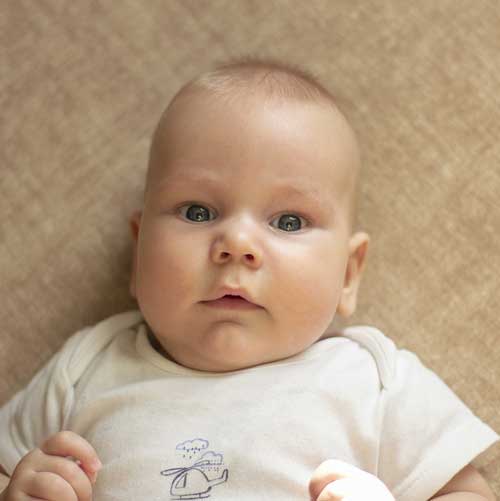
Kai was born in May to a mother who did not receive the recommended dose of Abrysvo RSV vaccine during pregnancy. It is now September, when RSV season begins before peaking in the winter. Kai is in your office for his 4-month Texas Health Steps preventive medical checkup. Kai is due to receive the second doses of vaccines recommended by the CDC. You weigh whether to recommend that Kai also be immunized against RSV.
Because RSV season is around the corner, you engage Kai’s mother in a discussion about including an RSV vaccine as part of today’s medical checkup. Kai’s mother says she is unfamiliar with RSV and didn’t realize she could have been vaccinated while pregnant. Her statement allows you to educate her about Kai’s vulnerability to RSV and why it is in her son’s best interest to be vaccinated.
References
Centers for Disease Control and Prevention. (2024). Clinical Overview of RSV.
Centers for Disease Control and Prevention. (2024). Surveillance of RSV.
Centers for Disease Control and Prevention. (2024). RSV in Infants and Young Children.
Centers for Disease Control and Prevention. (2021). Respiratory Syncytial Virus-Associated Mortality (RSV-Associated Mortality) 2019 Case Definition.
Texas Health and Human Services Commission. (2025). Texas Health Steps Medical Checkup Periodicity Schedule.