Courses
Displaying 21 - 30 of 126
-

Developmental Surveillance and Screening: Birth through 6 Years
Integrate validated developmental screenings and ongoing surveillance to meet Texas Health Steps requirements for preventive medical checkups.
- Format
- CE/CME
- Credits
- 1.00
-
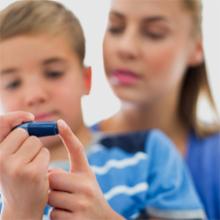
Diabetes Screening, Diagnosis and Management
Recognize the symptoms of diabetes and distinguish among the various types that affect children and adolescents. Includes best practices for effectively managing diabetes through medication and lifestyle changes.
- Format
- CE/CME
- Credits
- 1.50
-

Disaster Preparedness: How Can You Prepare to Survive and Recover?
Disasters can occur with or without warning, in any part of the state. Take a few minutes to check your knowledge of steps you can take to protect your office and patients in case disaster strikes.
- Format
- Case Study
- Read Time
- 2min
-
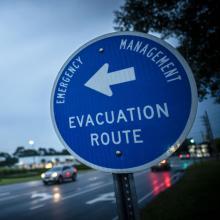
Disaster Preparedness: What Texas Health Steps Providers Should Know
Get practical tips and tools to help your office and your patients “prepare to survive” and “prepare to recover” from a natural disaster, disease outbreak or other emergency.
- Format
- Quick Course
- Read Time
- 21min
-

Does This Child Have High Blood Pressure?
High blood pressure during childhood is highly correlated with hypertension in adulthood. Test your knowledge of how to determine when young patients need additional evaluation for potential high blood pressure.
- Format
- Case Study
- Read Time
- 2min
-

Eating Disorders
Check out three adolescent patients and determine who should be assessed for a potential eating disorder. You may be surprised by the answer.
- Format
- Case Study
- Read Time
- 2min
-

Eating Disorders: Screening and Intervention
Serious but treatable eating disorders affect more than 4 percent of children and adolescents but often go undetected. Learn how to identify and address eating disorders as part of routine clinical care and how to address possible weight stigma in your office.
- Format
- CE/CME
- Credits
- 1.00
-

Exercise-Induced Dyspnea: A Primer for Texas Health Steps Providers
Dyspnea with exertion – that is, shortness of breath associated with exercise – is often related to asthma but can have other treatable causes. This short course covers the two most common causes of exercise-induces dyspnea to help providers effectively assess and address shortness of breath not caused by asthma.
- Format
- Quick Course
- Read Time
- 12min
-

Family-Centered Care: A Primer for Pediatric Health Care Providers
By collaborating with patients and their families, pediatric health care providers can help improve health, development and long-term outcomes for all children, including children with disabilities and chronic health conditions.
- Format
- Quick Course
- Read Time
- 12min
-

Fentanyl Exposure and Treatment: What Pediatricians Need to Know
Texas children and families are at high risk for exposure to potentially deadly illicit fentanyl. This short course provides a helpful overview of the problem along with practical steps pediatricians and staff members can take to recognize and reduce risk factors, conduct screenings, prescribe medication and make appropriate referrals for substance use treatment.
- Format
- Quick Course
- Read Time
- 13min